Long Memory Travel Home

Category

Destination Intelligence

22 articles

The Price of the Outsider: How Civilization Learned to Monetize the Stranger's Arrival

The Price of the Outsider: How Civilization Learned to Monetize the Stranger's Arrival

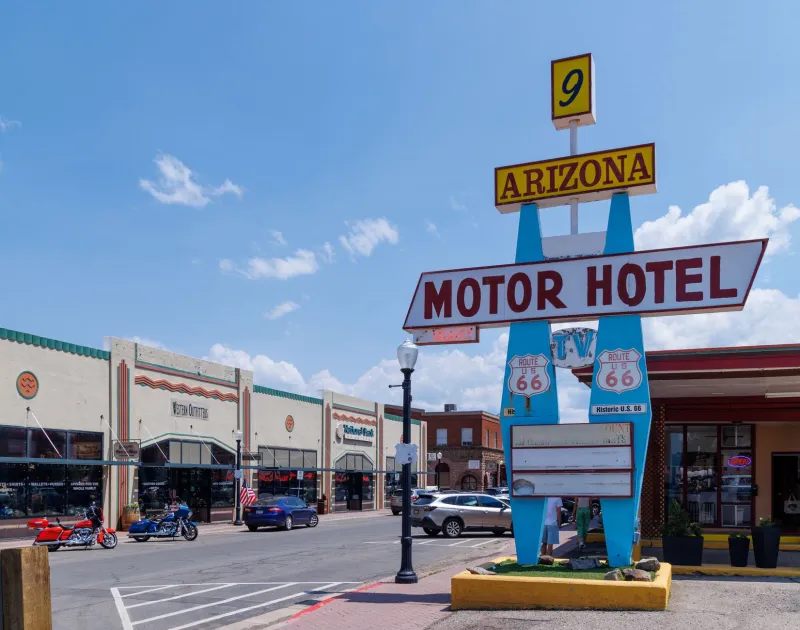
Long before the National Park Service printed its first entrance pass, civilizations from ancient Egypt to Renaissance Venice had already worked out a fundamental economic truth: the person who does not belong to a place will pay to enter it in ways that residents never will. The fee structure that governs modern tourism is not a recent invention. It is an ancient reflex, and it has always carried a second meaning beneath the commercial one.

The Privilege of Being Nobody: How the Traveler's Anonymous Room Became Civilization's Most Enduring Luxury

The Privilege of Being Nobody: How the Traveler's Anonymous Room Became Civilization's Most Enduring Luxury

Before the boutique hotel sold curated local experience, travelers were paying for precisely the opposite: a room where no one knew their name, their history, or their failures. The desire for temporary anonymity is not a modern neurosis — it is one of the oldest and most honest motivations in the entire history of human travel, and understanding it changes how we think about where we stay and why.

Named Before It Was Built: The Calculated Optimism Behind America's Most Ambitious Town Names

Named Before It Was Built: The Calculated Optimism Behind America's Most Ambitious Town Names

When the founders of a small West Virginia settlement called their town 'Prosperity' in 1902, they were not being whimsical. They were writing an advertisement in the only medium available to them — the map itself. The practice of naming American communities after aspirational ideals has ancient precedent and reveals, to any traveler willing to read it, a precise record of what the founders most feared they would never have.

The Landmark They Chose to Lose: What a Town's Demolitions Reveal About Its True Ambitions

The Landmark They Chose to Lose: What a Town's Demolitions Reveal About Its True Ambitions

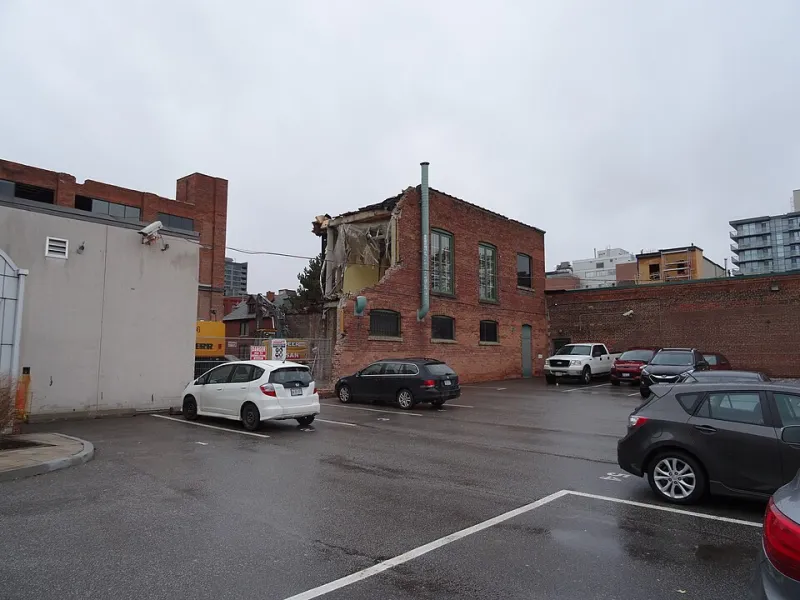
Communities have always destroyed the things that made them famous — sometimes through neglect, sometimes by deliberate vote, almost always in the name of something called progress. The pattern repeats across centuries and continents with enough consistency to function as a diagnostic tool: what a destination is willing to tear down tells you more about its future than any chamber of commerce brochure, economic development report, or tourism marketing campaign ever will.

The Moment a Town Stops Living and Starts Exhibiting: How American Communities Embalm Themselves for Visitors

The Moment a Town Stops Living and Starts Exhibiting: How American Communities Embalm Themselves for Visitors

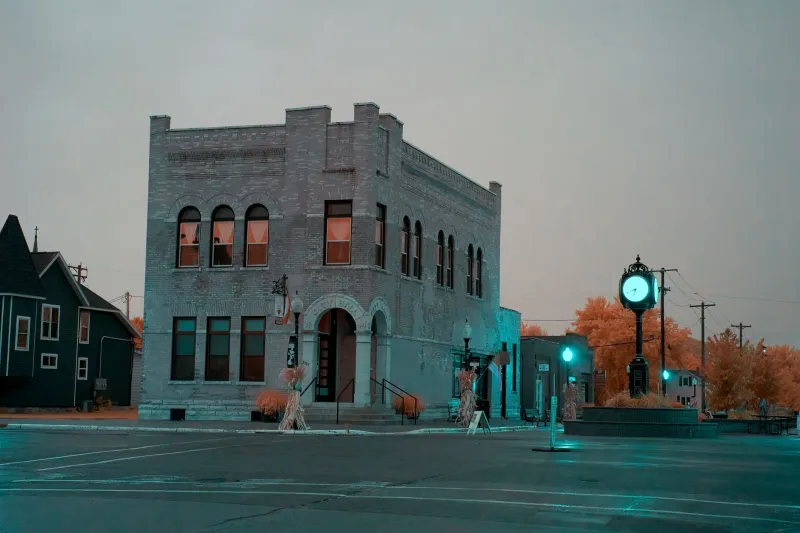
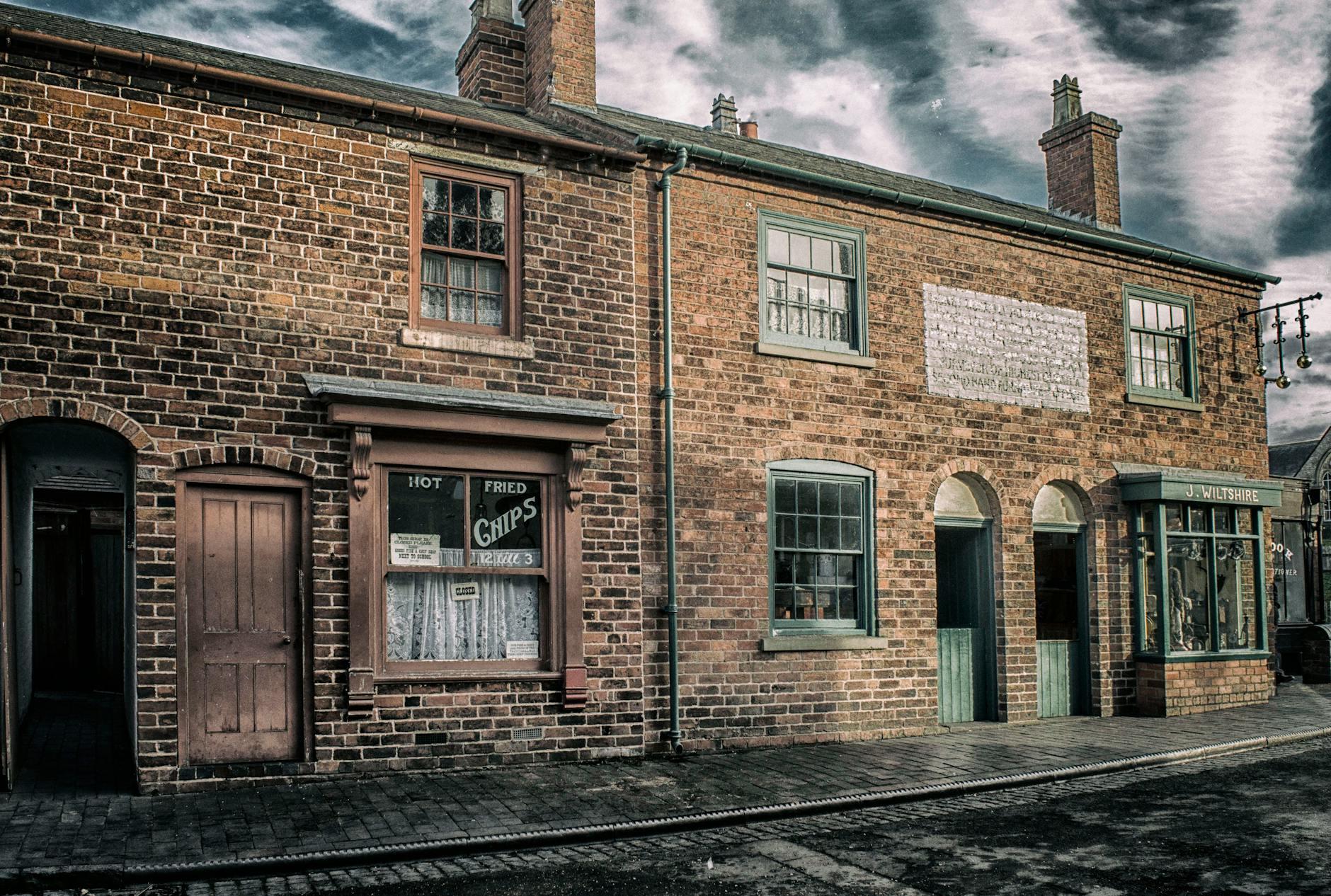
There is a precise and predictable moment in the life of any American boomtown when it stops inhabiting its history and begins curating it. The historical society forms, the bronze plaques multiply, and the museum opens — almost always in direct response to the first wave of outsiders who threaten to change what made the place worth visiting. Recognizing this pattern is more useful to a traveler than any guidebook.

The Deliberate Invisible: Why Some American Towns Chose Obscurity Over Opportunity

The Deliberate Invisible: Why Some American Towns Chose Obscurity Over Opportunity

The history of American tourism is largely written from the perspective of places that welcomed the arriving economy — the resort towns, the scenic corridors, the Main Streets that learned to perform themselves for outside audiences. Far less examined are the communities that saw the same wave approaching and, with clear eyes and deliberate intention, stepped aside. Their reasoning was not simple hostility. It was, in many cases, a more sophisticated analysis of long-term civic survival than the

Twelve Words and a Smile: What Five Thousand Years of Travel Proves About Speaking the Local Language

Twelve Words and a Smile: What Five Thousand Years of Travel Proves About Speaking the Local Language

Across the entire recorded history of travel, from Herodotus navigating the Egyptian delta to the American Grand Tourist fumbling through Italian verb conjugations, one pattern recurs with remarkable consistency: travelers who attempted the local language — however imperfectly — received something that wealth and status could not purchase. The mechanism behind this exchange is neither sentimental nor accidental, and understanding it changes how you prepare for any journey.

When the Gift Shop Became the Destination: America's Century-Long Confusion About Why We Travel

When the Gift Shop Became the Destination: America's Century-Long Confusion About Why We Travel

Nineteenth-century resort entrepreneurs discovered that travelers remember their trips through objects, not experiences—launching a commercial revolution that now generates billions in airport retail. Understanding when souvenirs stopped proving you'd been somewhere and started replacing the need to go there reveals which modern travel experiences are real and which are just elaborate shopping opportunities.

The Restless Gene: Why Americans Travel Like the Frontier Never Ended

The Restless Gene: Why Americans Travel Like the Frontier Never Ended

The frontier closed in 1890, but American travel psychology still operates as if there's always another unexplored territory waiting beyond the next horizon. This inherited restlessness explains why Americans uniquely romanticize the journey over the destination.

The Predictable Rise and Fall of the American Resort Town: How to Read the Curve Before It Reads You

The Predictable Rise and Fall of the American Resort Town: How to Read the Curve Before It Reads You

From Saratoga Springs to Atlantic City, American resort towns have been following the same arc of discovery, glamour, overcrowding, and decline for more than three centuries. The cycle is not a modern phenomenon produced by social media or mass tourism — it is a permanent feature of how human communities respond to desirable places. Understanding the pattern does not merely satisfy historical curiosity; it tells you precisely where the destinations you love are headed next.

Before the Algorithm: What Medieval Pilgrims Knew About Getting There That Your Travel App Does Not

Before the Algorithm: What Medieval Pilgrims Knew About Getting There That Your Travel App Does Not

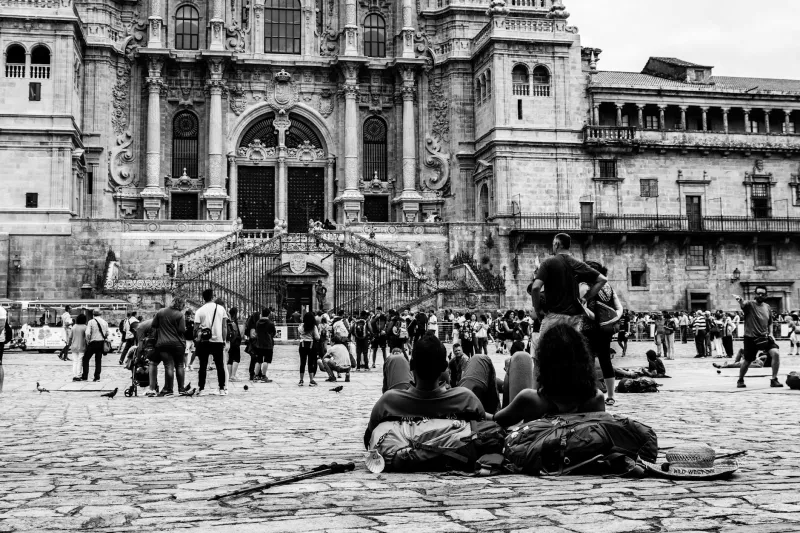
Centuries before the first travel app promised to optimize your journey, medieval pilgrims crossing Europe toward Santiago de Compostela or Jerusalem were consulting detailed written guides that rated hospices, flagged dishonest money changers, and marked safe water sources by name. Those documents got certain things profoundly right that modern travel technology still gets wrong — and the pilgrim's underlying philosophy of movement may be the more durable lesson.

The Adolescent Empire's Grand Tour: Why Every Rising Culture Eventually Packs Its Bags for Rome

The Adolescent Empire's Grand Tour: Why Every Rising Culture Eventually Packs Its Bags for Rome

From young Roman aristocrats crossing the Aegean to study philosophy in Athens, to Georgian-era British lords cataloguing Florentine paintings, to today's American college graduate navigating the Paris Métro with a Rick Steves guide — the same journey keeps repeating itself across cultures and centuries. This is not sophistication. It is something older and more revealing: the universal coming-of-age ritual of a civilization that suspects, correctly, that it has not yet figured itself out.

The Pharaoh's Floating Resort: Ancient Egypt's All-Inclusive Cruises and the Vacation That Never Changes

The Pharaoh's Floating Resort: Ancient Egypt's All-Inclusive Cruises and the Vacation That Never Changes

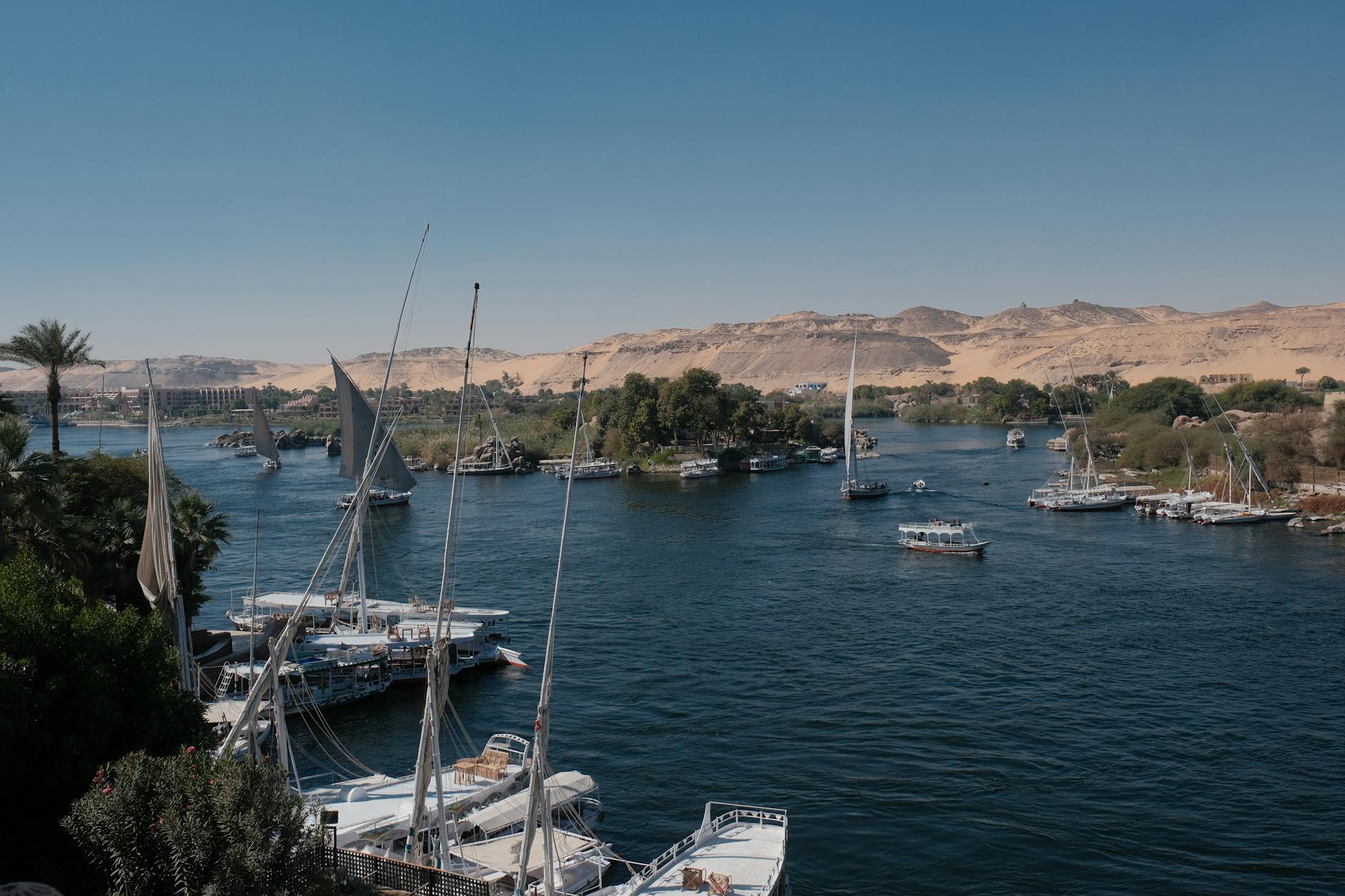
Wealthy Egyptians and their Greek visitors sailed the Nile on curated pleasure voyages complete with entertainment, scheduled shore excursions, and the persistent sensation of never having truly left their domestic world behind. The papyri and travel accounts that document these journeys raise a question that modern resort developers have not answered: does a vacation designed to eliminate discomfort also eliminate the possibility of genuine transformation?

Your 'Hidden Gem' Was Someone Else's Gilded Age Postcard: A Predictive Model for American City Discovery Cycles

Your 'Hidden Gem' Was Someone Else's Gilded Age Postcard: A Predictive Model for American City Discovery Cycles

The cycle of an American city rising from obscurity to 'hidden gem' status to overcrowded disappointment is not a product of social media — Gilded Age Americans ran through the same pattern with Asheville, Galveston, and Saratoga Springs. A careful reading of that history produces something more useful than nostalgia: a working model for predicting which cities are next.